Microsoft ends support for Internet Explorer on June 16, 2022.
We recommend using one of the browsers listed below.
- Microsoft Edge(Latest version)
- Mozilla Firefox(Latest version)
- Google Chrome(Latest version)
- Apple Safari(Latest version)
Please contact your browser provider for download and installation instructions.



NTT's Sustainability Efforts
Stimulating the Exchange of Carbon Credits with Morikachi
A Forest Value Creation Platform That Connects Localities and Companies
NTT DOCOMO BUSINESS Smart Industry
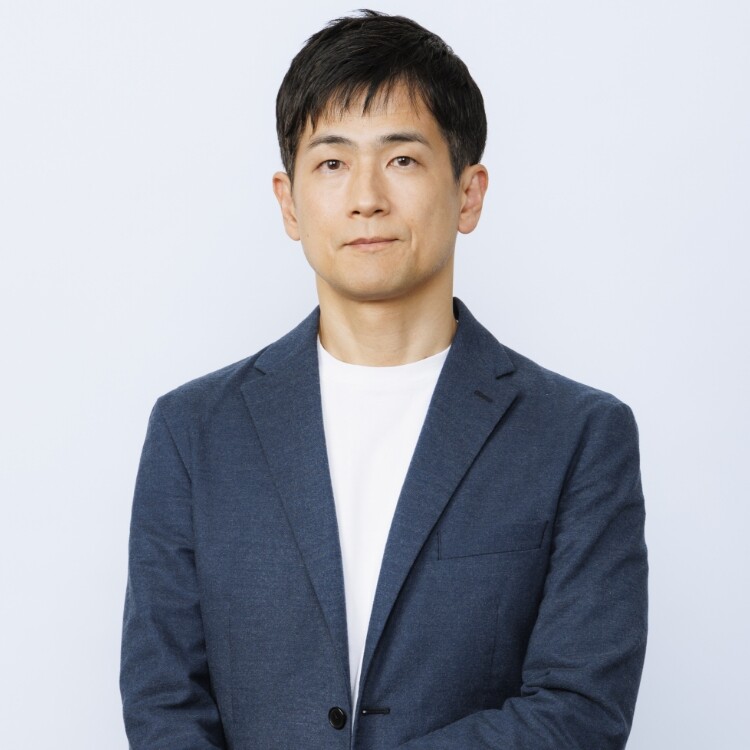
Toshiki Fujinami

Challenges facing the forest-derived carbon credit market and striving to create a platform
Decarbonization efforts have become an urgent matter as climate change mitigation becomes a global issue. While both growth and decarbonization are expected of corporations, a company on its own can only do so much to reduce its greenhouse gas emissions. For this reason, there are growing expectations in the market for carbon credits, where greenhouse gas reductions or absorption can be bought and sold as credits. The government-certified J-Credit system has expanded the market for credits derived from renewable energy such as solar power generation and energy conservation. However, there has been a challenge in growing the trading volume of forest-derived J-Credits.
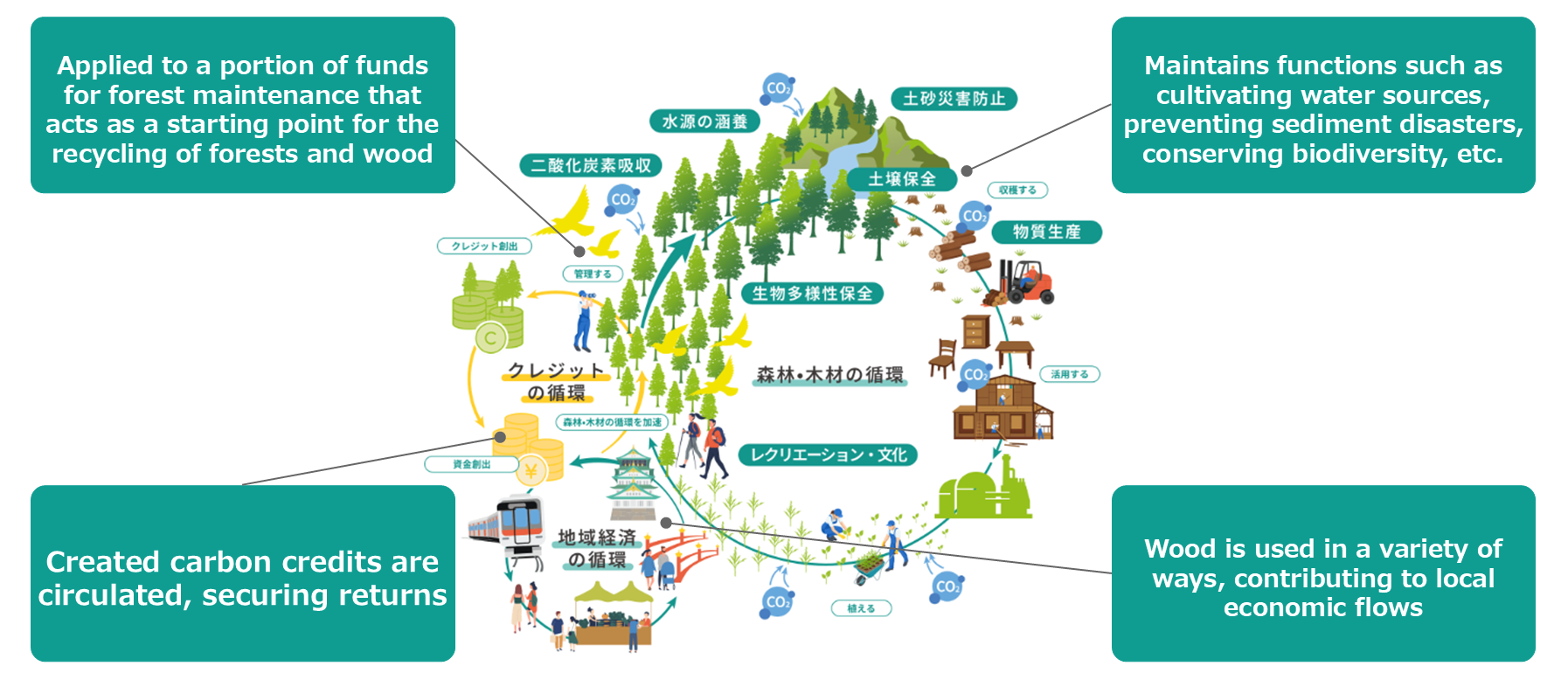 Recycling forests and wood by using forest-derived carbon credits
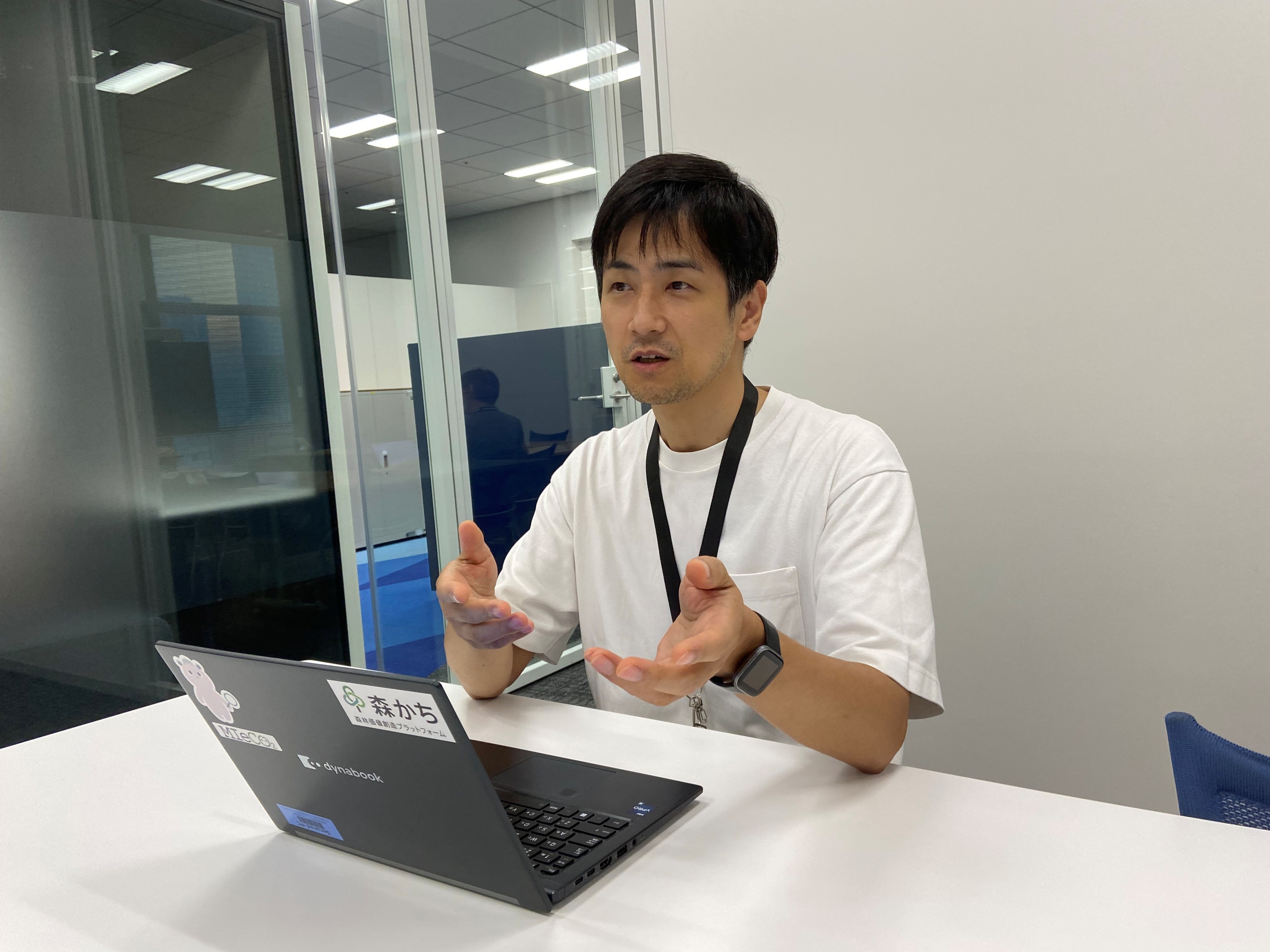
"Forest credits have a high environmental value beyond CO2 absorption, such as conserving biodiversity, cultivating water sources, and preventing sediment disasters. However, the market for them is yet to be active, in part due to the fact that they are more expensive when compared to other credits," said Morikachi project leader Toshiki Fujinami.
The market for forest credits is made up of creators, or municipalities, forest cooperatives, and others who wish to create credits; purchasers, who wish to buy credits in order to offset carbon dioxide; and assessment organizations, who carefully assess a forest's management, CO2 absorption, and more in order to verify the validity of credits. However, there exist only three organizations that will assess forest credits, creating a bottleneck. This results in the sluggish growth of the number of certified credits, a structural problem. Additionally, the assessment process is extremely complex for creators, acting as another factor impeding the growth of the market.
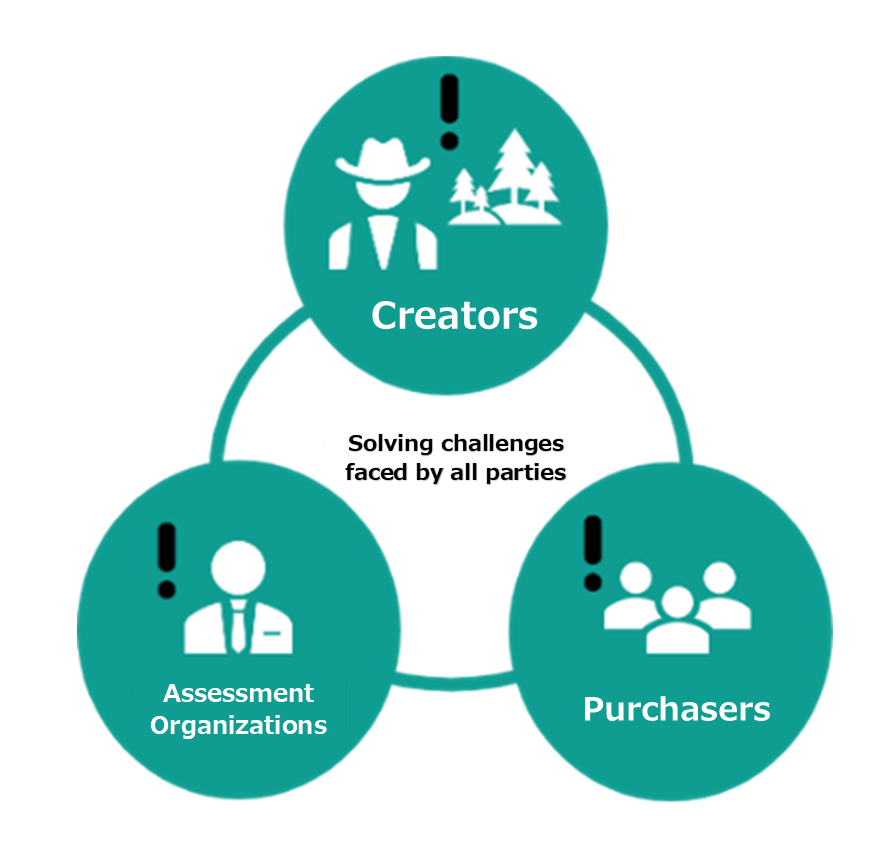 Creators, companies as purchasers, and assessment organizations in the forest credit market
"The primary reason that companies purchase credits is to make up for the greenhouse gasses they emit through their business via other reduction or absorption activities. In other words, as CO2 offsets. While these are useful as a method to make up for amounts emitted despite attempts to reduce emissions, this leads to many cases of companies choosing the cheapest credits they can find, focusing only on a simple reduction of CO2," Mr. Fujinami pointed out as he introduced Morikachi.
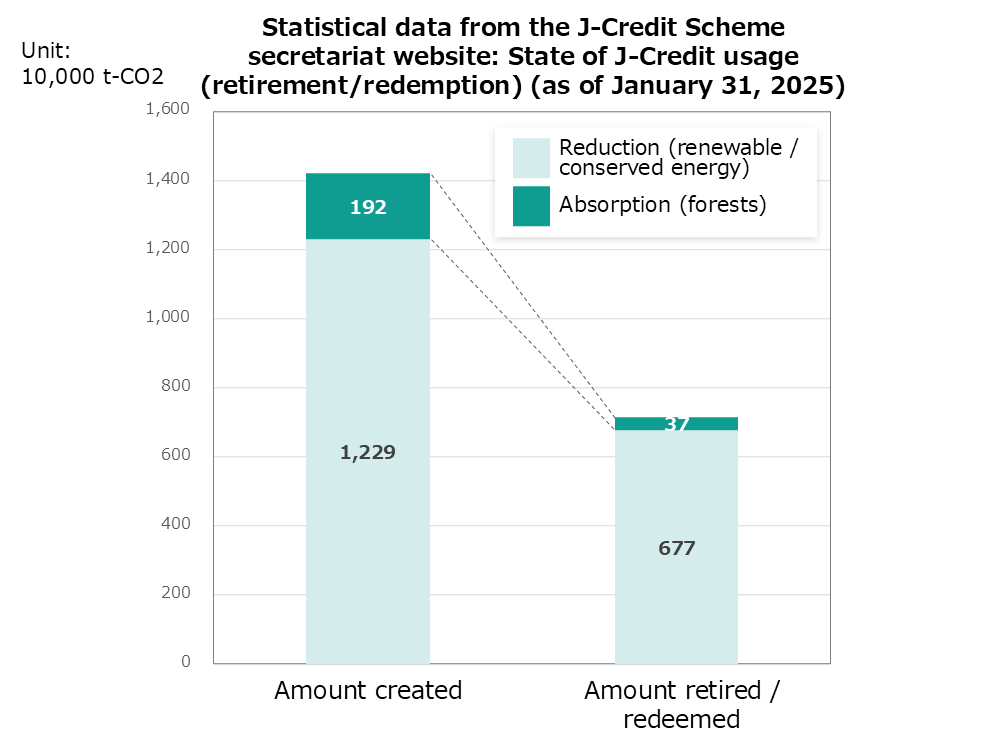 Compared to renewable and conserved energy credits, only about 10% as many forest-derived credits are created, while the amount retired/redeemed is only about a mere 5%
"The Morikachi forest value creation platform that I oversee uses the wealth of forest management know-how possessed by our collaborative partner, Sumitomo Forestry, and merges it with our company's ICT technologies in order to create high-quality credits and realize their highly transparent exchange. What's most notable about it is its design as a service and its operations that comprehensively support all stakeholders, which is to say forest owners, assessment organizations, and purchasing companies.
As forestry pros, Sumitomo Forestry oversees forest owners, or creators, while we use our systems development and business network to primarily oversee companies, or purchasers. However, no distinct lines are drawn, allowing each of us to complement the others and drive the business forward, incorporating each other's latent needs into our services," said Mr. Fujinami.
 Service diagram for the Morikachi forest value creation platform
A system that connects people through technological innovation
Morikachi has the following strengths that distinguish it from traditional carbon credit trading platforms. Greatest of all is its ability as a system to use GIS (geographic information systems) to visualize information on a map and integrate information that is not centrally managed such as forest location, management history, tree type, and so on. This allows purchasers to understand the location of forests that create credits and for owners and assessment organizations to easily share information needed when registering them on other projects or approving and issuing credits such as forest location, allowing for greater assessment efficiency and transparency.
It also has a feature that communicates a wealth of information on forest credit sales pages, such as unique characteristics of the region. "Sellers appreciate this feature very much, as it also assists them in promoting regional and forest management efforts in addition to simply selling credits," according to Mr. Fujinami.
-
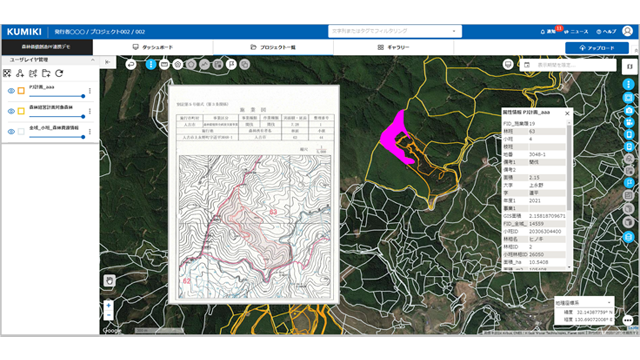
Using GIS to unify management of information on a map
-
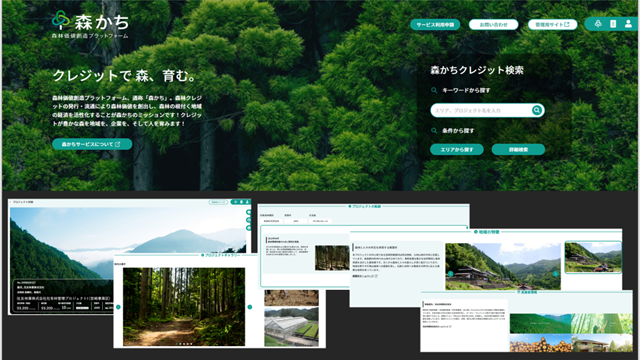
Contributing to local promotion by listing an area's characteristics
Its next strength is its "efforts to connect people with people" in addition to simply buying and selling credits. The URAYASU D-Rocks, NTT's rugby team, offsets its CO2 emissions for every game it hosts, buying its credits from the city of Hitoyoshi in Kumamoto. These transactions have led players to visit the region themselves, participating in an event where they enjoyed rugby with children in a rice paddy.
"When the mayor of Hitoyoshi gave a talk at a local elementary school, we understand that he said that 'Together with NTT, this town is doing something amazing by contributing to carbon neutrality.' It made me feel that the purchase of credits doesn't just help to create environmental awareness among companies, but those living in local areas too."
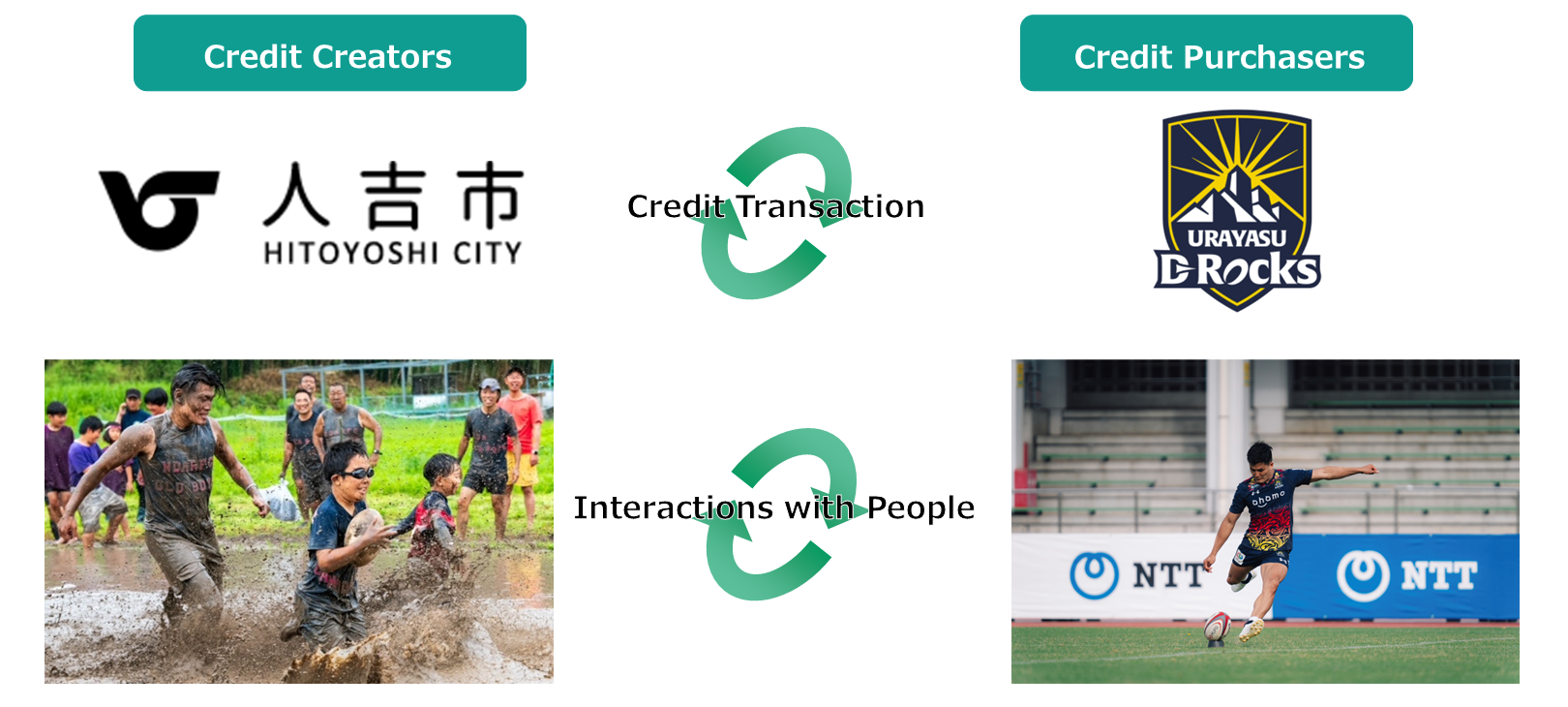 Forest credit creators and purchasers interacting at events
Morikachi also conducts activities together with MODRINAE, an effort offered by SOMANOBASE in Tanabe, Wakayama that grows saplings from acorns to assist in forestation. This experiential activity involves companies who buy carbon credits also having employees look after acorns for one to two years at their homes or in the office before visiting the place where their credits were created and planting them.
"It's easy for carbon credit-based offsets starting and ending as a simple corporate activity. But this effort actively involves employees in the activity, positioning it as a long-term activity and creating environmental awareness while also modifying behavior, which we think leads to the promotion of the company's decarbonization as a whole."
A comprehensive vision for a sustainable future
The future image of Morikachi according to Mr. Fujinami is one where a variety of a forest's values can be monetized, not just CO2 absorption. He now works together with companies across the NTT Group to develop a quantified biodiversity monitoring service.
"We are developing a technology that uses satellite photography to estimate the state of survival of plants and animals in an area, analyzing it over time to visualize changes. We are also collaborating with Biome, a company located in Kyoto's Shimogyo Ward that works to preserve biodiversity, in order to raise the precision of this technology through verification experiments. By using this kind of technology, it will become possible to quantify concepts that one could only have a sense of until now, such as 'Forests have some sort of environmental value aside from CO2 absorption.' I believe the fact that biodiversity scores increase around the time of credit creation will become a major added value."
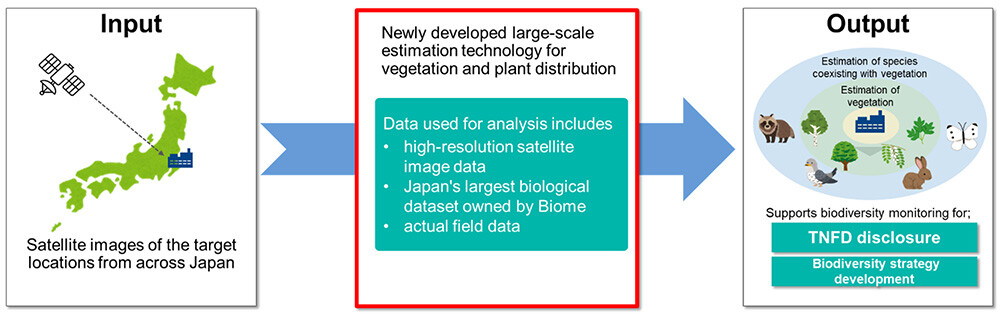 Concept for the plant and animal large-area estimation technology using remote sensing created by Biome and the NTT Group together
Morikachi was also selected as a commissioned project by the Kanto Bureau of Economy, Trade and Industry in August 2025 to help support the promotion of J-Credit usage. It is working to raise the level of the forest credit market as a whole by holding seminars, establishing a consultation desk, and discovering standout example cases.
Starting at the end of October 2025, an event will be held near Otemachi PLACE where a smartphone app offered by Biome is used to photograph living creatures, gathering data on them while also generating environmental awareness. "The app is especially popular with parents and children, like a real-life Pokemon GO. I'd like to give them the opportunity to learn more about biodiversity while having fun."
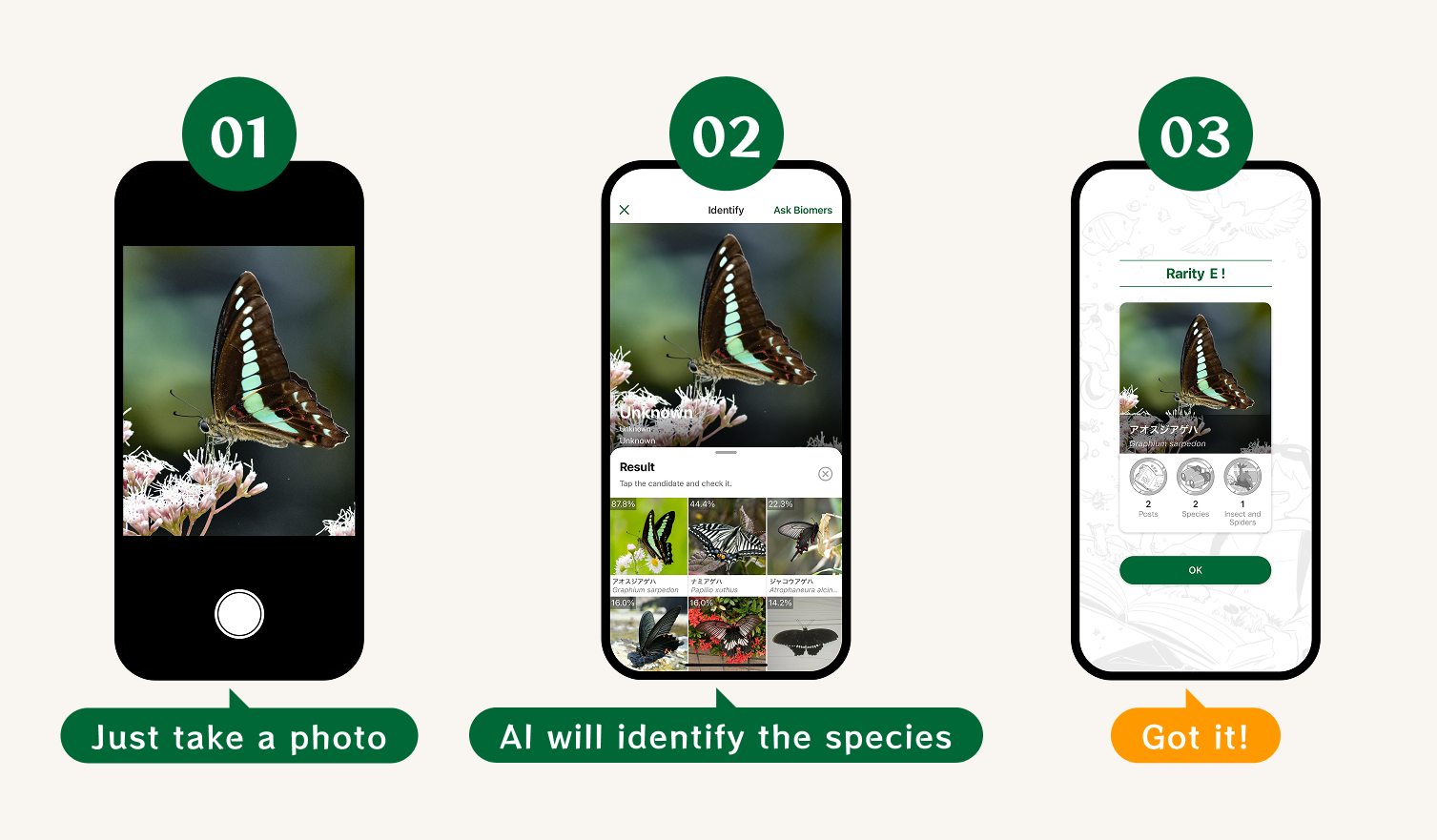 Biome, a "life collection app" that uses data about familiar living creatures to help one think about environmental problem
What Mr. Fujinami values most at the end of these efforts is reforming the way that people see the world.
"Climate change mitigation has a cost. To maintain corporate motivation for GX (green transformation), such efforts need to provide those companies with a benefit. Ultimately, there's a need to create a world in which consumers actively choose to purchase products from companies with high environmental awareness."
Mr. Fujinami was harsh about the spread of ethical consumption in Japan, saying, "If the ideal is a hundred, we're still at about a ten." However, he finds hope in the gradual increase in appeals towards carbon neutrality and environmentally responsible products in television commercials.
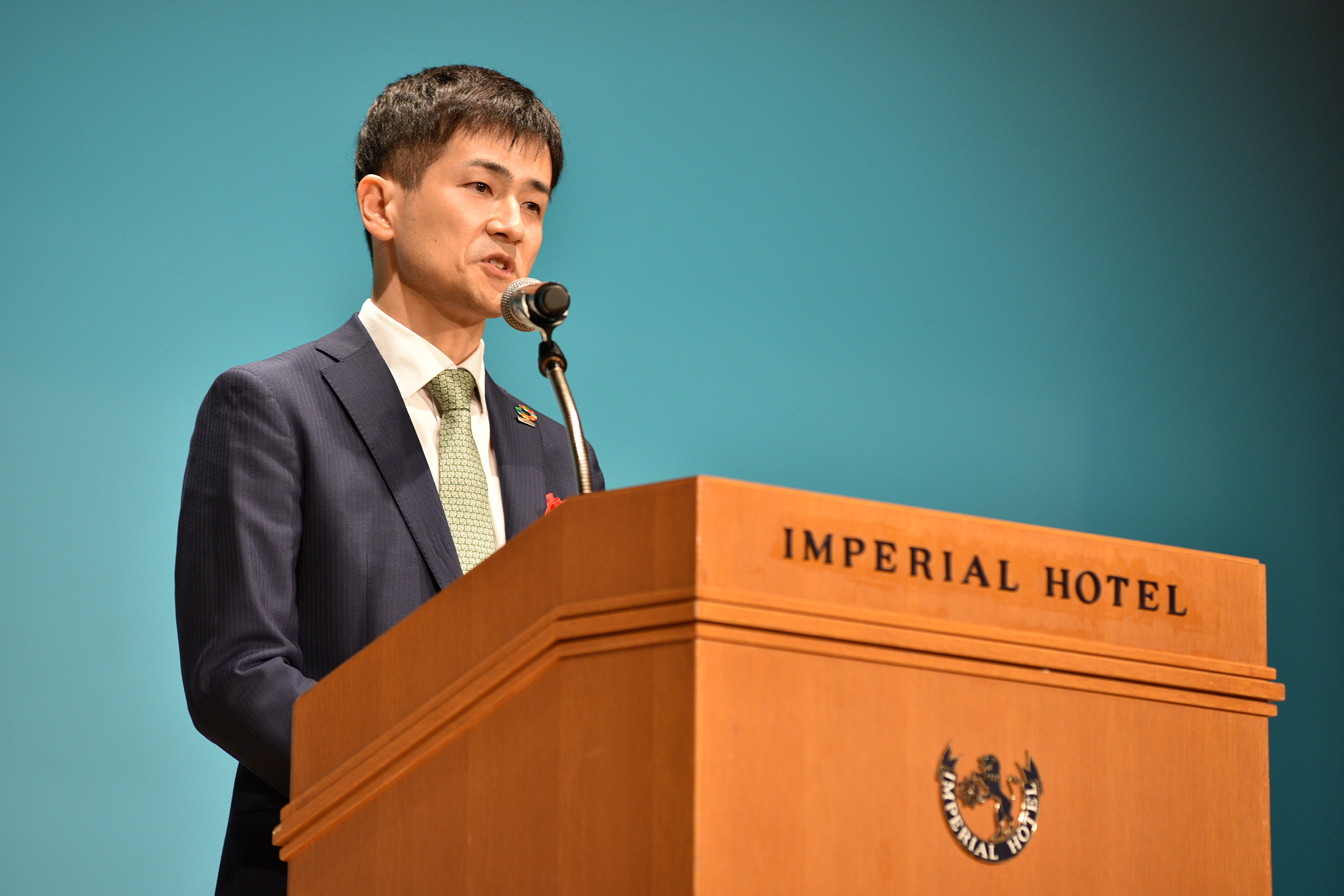 Mr. Fujinami giving a presentation on stage at the 12th NTT Group Sustainability Conference
What Self as We means to Mr. Fujinami
Our awareness as individuals will change the world
Morikachi truly is a project that can be called the embodiment of the Self as We philosophy. It is creating a system in which forest owners, assessment organizations, credit purchasers, company workers, and citizens collaborate as a single "we" to maintain and utilize the shared asset that is the world's forests.
Mr. Fujinami ended with an appeal, saying, "Our awareness on an individual level is what will change companies. I hope that environmental efforts will be one of your reasons for choosing what to buy and what services to use as a regular part of your life."
Enough people acting this way can surely help create a circular society and realize the Self as We philosophy.
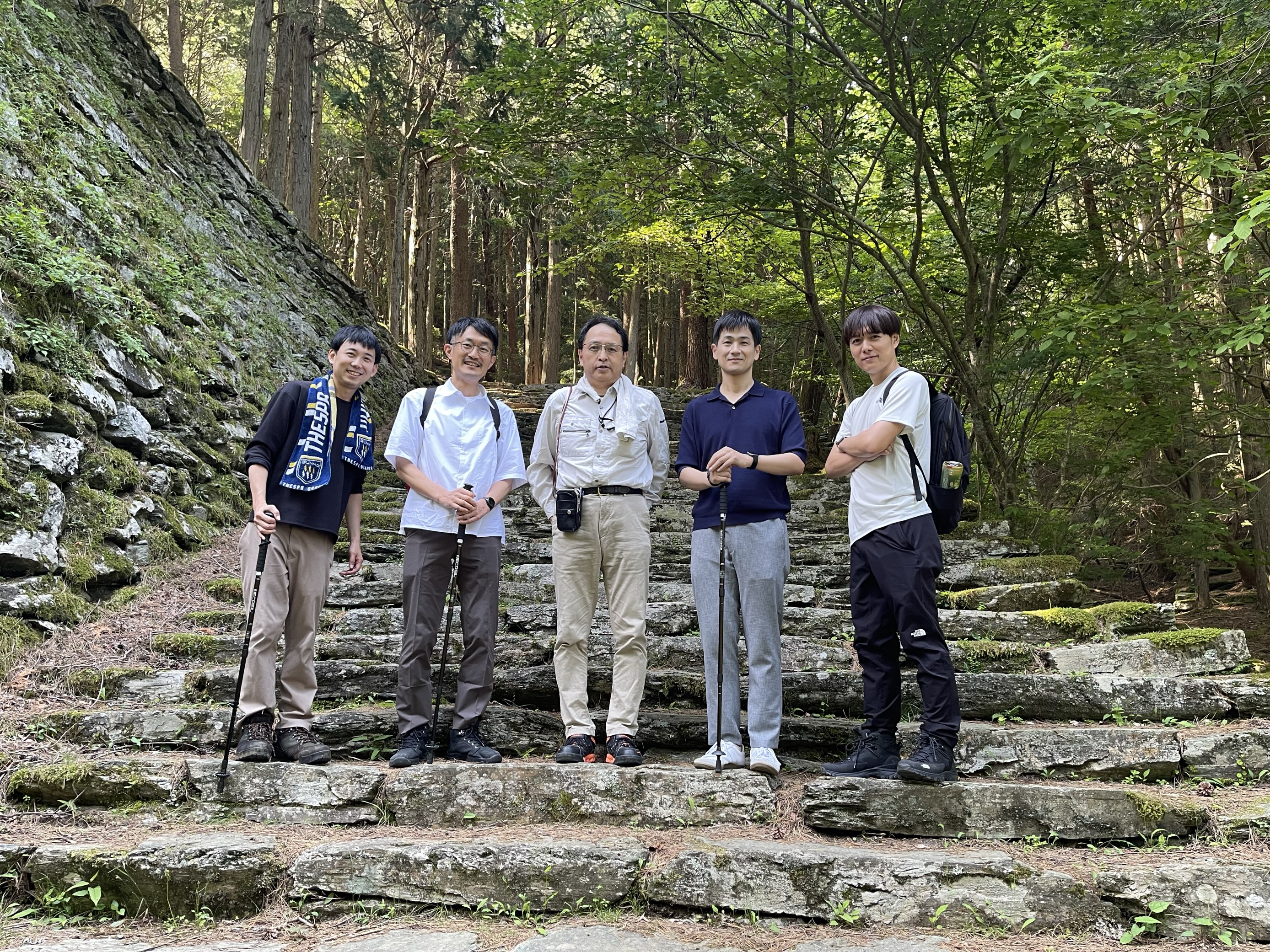 The members of the Morikachi project, which strives to go beyond the pursuit of individual benefit and create values that bring together the global environment, local communities, and corporate activities
At the remains of the Besshi Copper Mine, where many of the business activities of the Sumitomo Group were born
See other stories
-
- Aquaculture
- Environment
Offering new potential to the fisheries industry with smart land-based aquaculture
-
- DX Farming
- Environment
Sustainable crop protection NTT DATA Argentina's Sistema Integra
-
- Forest
- Environment
Utilizing ICT to visualize forest information Achieving sustainable forestry and creating new value
-
- Recycling
- Environment
Utilizing AI technology to establish an efficient recycling environment
-
- Environment
- Power-Saving
Achieving Our 2040 Net-Zero Commitment Innovative Measures Promoted by NTT Global Data Centers
-
- Society
- AI
Using Advanced Technologies to Protect the Lives of Children Is Work the NTT Group Should Do
-

- Diversity
- Work Style
Creating a society in which people with various disabilities can work naturally
-
- Diversity
- Gender
Moving forward with our colleagues A club encouraging women to take a step forward on their own
-
- Diversity
- Gender
Protecting girls' right to learn and building a sustainable society
-
- Diversity
- Work Style
New regional communities created by "another workplace"
Sustainability
NTT STORY
WEB media that thinks about the future with NTT