Microsoft ends support for Internet Explorer on June 16, 2022.
We recommend using one of the browsers listed below.
- Microsoft Edge(Latest version)
- Mozilla Firefox(Latest version)
- Google Chrome(Latest version)
- Apple Safari(Latest version)
Please contact your browser provider for download and installation instructions.



NTT's Sustainability Efforts
Sustainable crop protection
NTT DATA Argentina’s Sistema Integra
NTT DATA Argentina
Marina Alvarez Heritier
Responding to farmer issues, including everything from reducing plastic waste to accurate agricultural-chemical spraying
The purpose of the Sistema Integra project is to increase agricultural productivity and sustainability. This project helps to minimize the environmental impact by switching from the sale of herbicides and other agricultural chemicals in plastic containers to the bulk sale of such chemicals and to use innovative tracking technology to more efficiently manage such chemicals. The system established through this project is developed to respond to issues faced by farmers on a daily basis, and it offers advantages in a wide variety of fields, including reducing plastic waste and accurately spraying agricultural chemicals. We asked Ms. Marina Heritier, Account Partner of NTT DATA Argentina's Energy Department, for an overview of Sistema Integra and what she thinks of the project.
Issues related to managing agricultural chemicals and the introduction of Sistema Integra
Many farmers in Argentina engage in daily trial and error to try to increase the productivity of their crops. One main issue they encounter during this process is how to suitably manage herbicides and other agricultural chemicals. Herbicides are most effective when they are sprayed during a certain stage of the crop growth cycle, so the timing of spraying and accurate use directly affect crop growth and the harvest.
Sistema Integra was started by forming a partnership with the state-owned Argentine oil company YPF. YPF is involved in a wide range of businesses, including resource exploration, development, and distribution as well as the production of electricity, gas, oil, and hydrocarbon derivatives. YPF also sells fuel, lubricating oil, fertilizer, plastic, and other industrial products and is one of Argentina's major energy companies. As an oil company, YPF also employs over 100,000 employees throughout Argentina both directly and indirectly. NTT DATA Argentina is in charge of developing and introducing the Sistema Integra system, and the company has contributed to the achievement of the project by offering blockchain technology and sector expertise, which are NTT DATA strengths.
This project currently provides innovative solutions to Argentina's issues related to herbicides and other agricultural chemicals, and project members are also attempting to solve problems faced by farmers. Argentina uses around 360 million liters of agricultural chemicals per year, leading to the use and disposal of 17,000 tons of plastic containers. In addition, because containers that have agricultural chemicals in them are not suitably managed, weeds suddenly become resistant to such chemicals, which could adversely affect the environment. On top of that, the disposal of 20 million plastic containers that have been in contact with chemicals per year could have an adverse effect on not only the environment but the health of people as well.
To help address this problem, this project has introduced a method for selling a lot of agricultural chemicals at once in bulk without using plastic packaging. The bulk selling of a lot of products reduces the necessary packaging material. This reduces plastic and other waste, which improves cost effectiveness. In addition, introducing this system prevents management mistakes and enables more effective agricultural-chemical operations.
Results of our technical approach to achieving sustainable agriculture
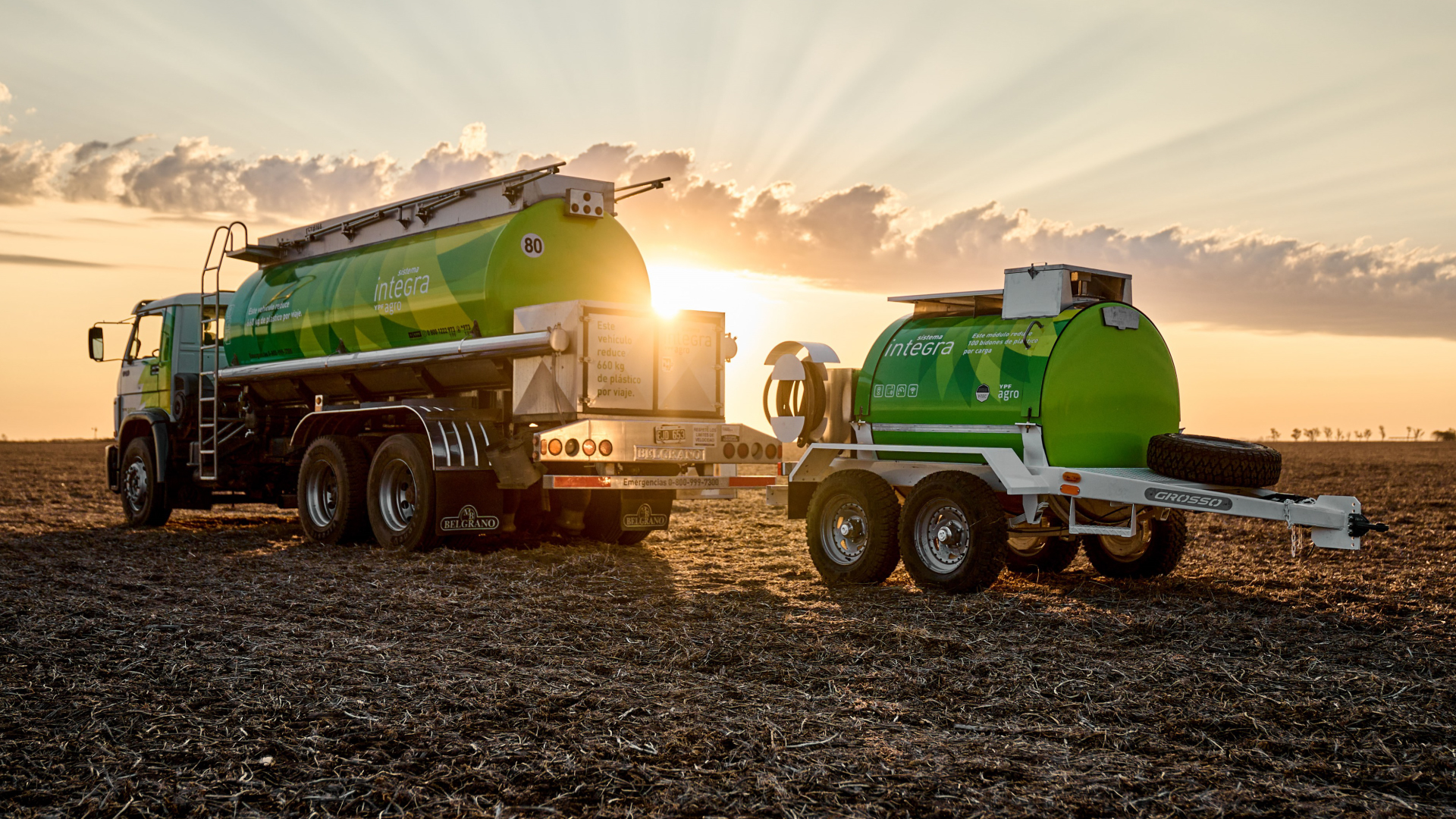
One key point for providing our solutions is to avoid packaging agricultural chemicals in plastic containers and instead directly transport them to producer fields. To achieve this, in addition to NTT DATA spearheading the development of a web platform, it was necessary for YPF to introduce the system at its distributor facilities throughout Argentina, allocate developed mobile tanks, and establish a new distribution network. Introducing these mobile tanks fundamentally changed the process of spraying and managing agricultural chemicals. In particular, our so-called technology mobile tanks are autonomous vehicles equipped with solar panels, and they can be used to spray agricultural chemicals based on an accurate understanding of positional information and the dosage.
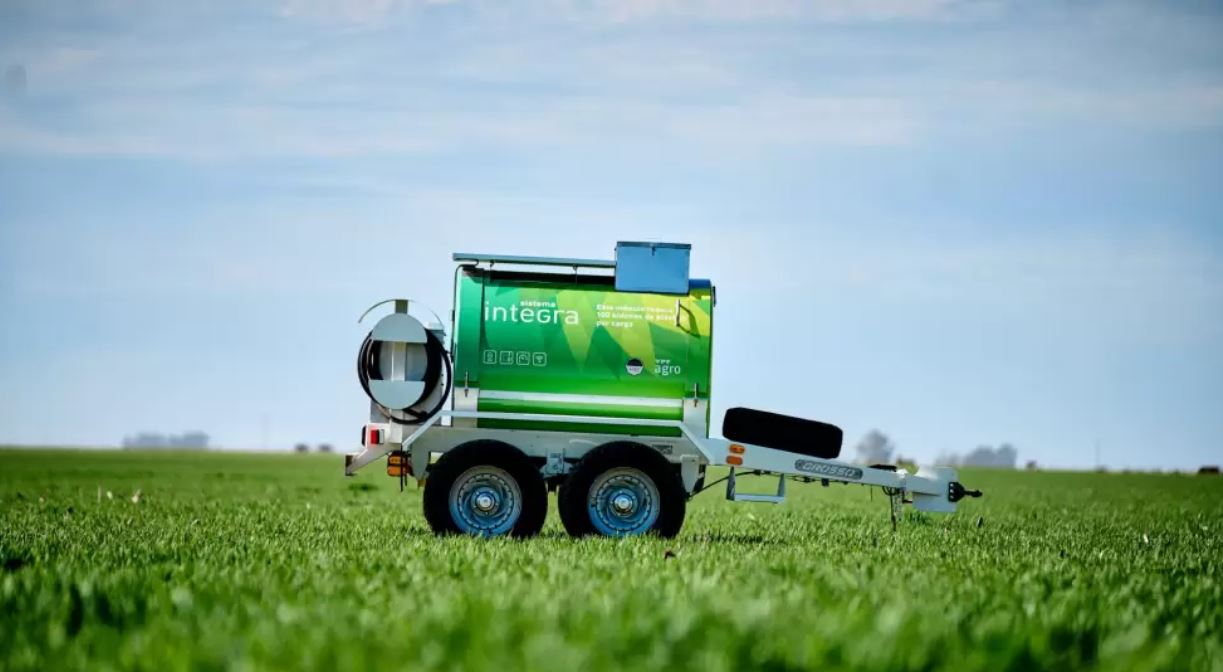 A technology mobile tank
In addition, this system is designed to be combined with the Zoomlo Tracker platform, which tracks and manages product shipping, and blockchain technology. This makes it possible to accurately track how each batch of agricultural chemicals is distributed and used. This advanced tracking system utilizes IoT devices and mobile applications to collect and analyze data in real time, which enables efficient agricultural-chemical inventory management and expiration-date tracking. This has made it possible to greatly improve the safety and efficiency of agricultural production in compliance with the strict regulations and safety standards of Argentina's National Service of Agri-Food Health and Quality (SENASA).
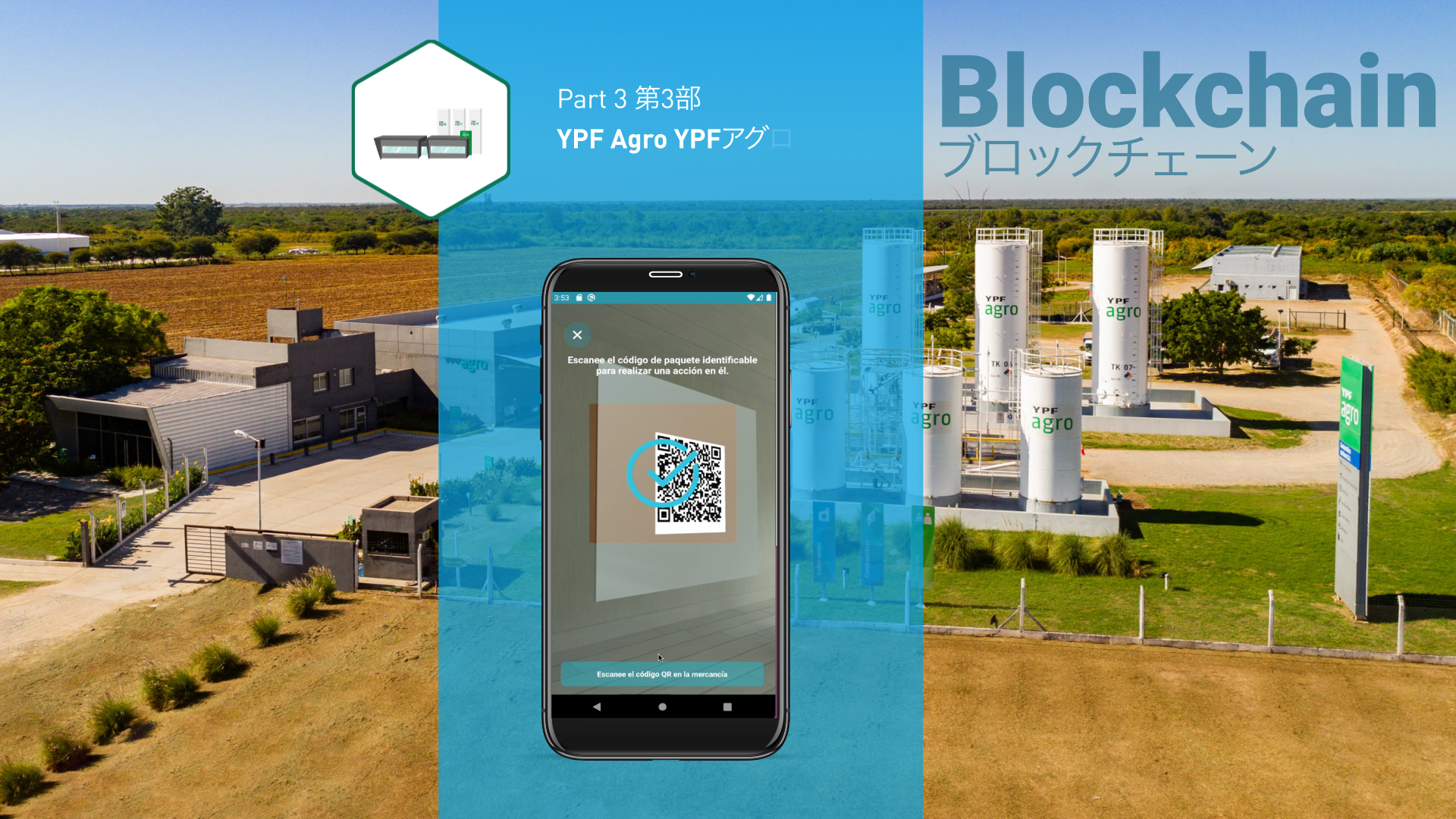 An app that makes it possible to confirm and change the vehicle tracking status
The results of introducing this system included more than just improved efficiency. Introducing the system also promoted sustainable agriculture and significantly reduced the adverse environmental impact. In particular, important results of this project in terms of protecting the environment in line with its goals included reducing the use of plastic containers, lowering transportation and storage costs, and cutting carbon emissions. In addition, using tanks to both deliver agricultural chemicals to agricultural producers and spray the chemicals reduced the risk of people coming in contact with them, which improved occupational safety. The system also makes it possible to manage the expiration dates of agricultural chemicals, which helps prevent losses due to expiration as well as product alteration. In addition, the system facilitates product traceability, enabling the monitoring of the quality and effects of products at their distribution destinations.
Our involvement in this project has been an important step in achieving our vision of promoting sustainable agricultural technology, and this has enabled us to have a positive effect on society as a whole.
What Self as We means to Marina Heritier
Shared responsibilities and goals in line with the Self as We concept
We must understand the effects of what we do and share a common goal. The Self as We concept shows how the actions of individuals contribute to the results of our group as a whole. Through the Sistema Integra project, we have been able to clearly show how the sharing of a vision and efforts of people involved in a project can transform agricultural customs.
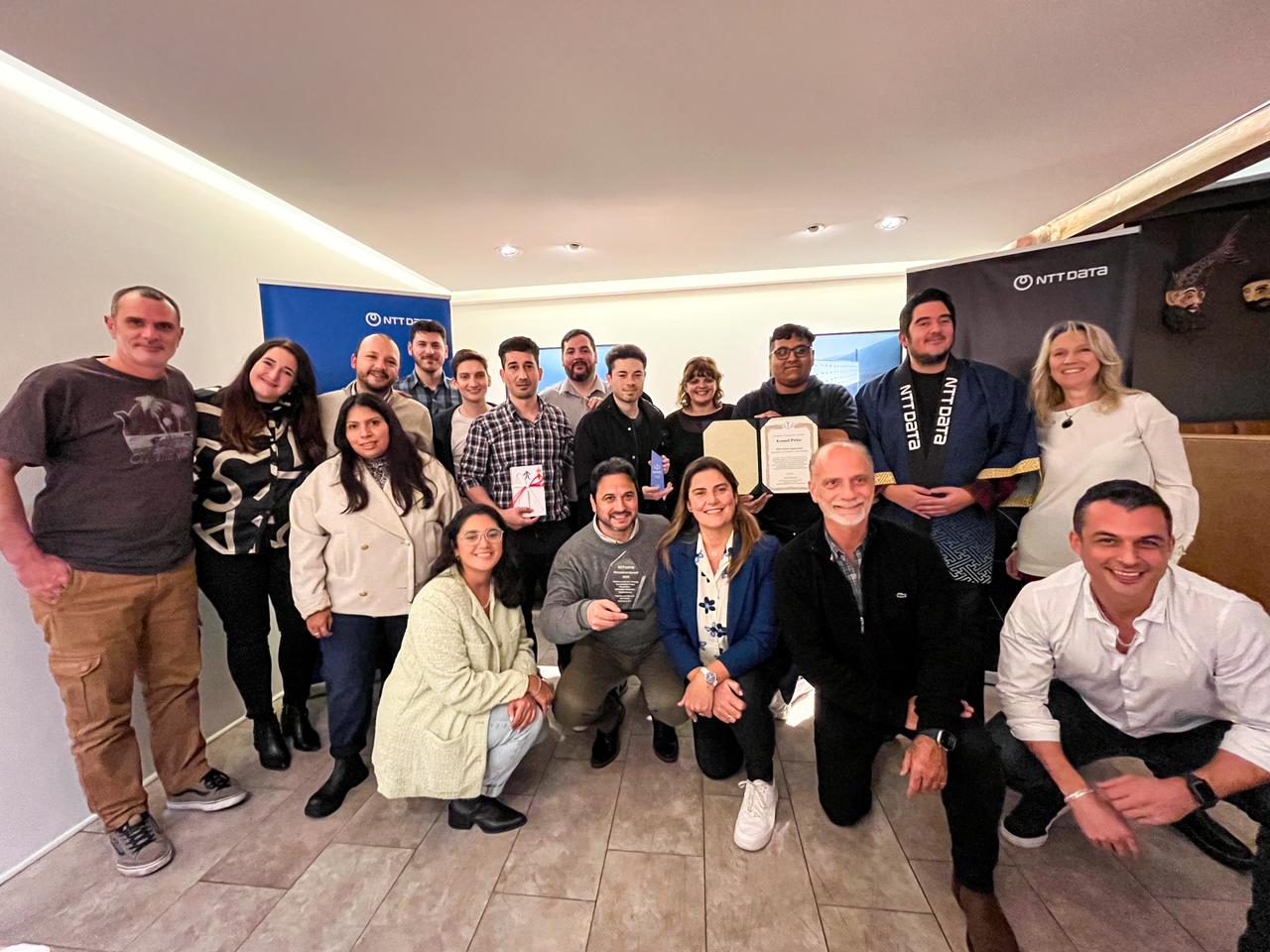 Marina Heritier (third from the right in the front row) and her team members
In addition, by collaborating in line with a common goal, everyone involved in this project has had the chance to reconsider how they fulfill their responsibilities to both the environment and society.
The Self as We concept powerfully expresses the importance of understanding how our actions affect the achievement of a sustainable future and behaving accordingly.
See other stories
-
- Forest
- Environment
Stimulating the Exchange of Carbon Credits with Morikachi A Forest Value Creation Platform That Connects Localities and Companies
-
- Aquaculture
- Environment
Offering new potential to the fisheries industry with smart land-based aquaculture
-
- Forest
- Environment
Utilizing ICT to visualize forest information Achieving sustainable forestry and creating new value
-
- Recycling
- Environment
Utilizing AI technology to establish an efficient recycling environment
-
- Environment
- Power-Saving
Achieving Our 2040 Net-Zero Commitment Innovative Measures Promoted by NTT Global Data Centers
-
- Society
- AI
Using Advanced Technologies to Protect the Lives of Children Is Work the NTT Group Should Do
-
- Diversity
- Work Style
Creating a society in which people with various disabilities can work naturally
-
- Diversity
- Gender
Moving forward with our colleagues A club encouraging women to take a step forward on their own
-
- Diversity
- Gender
Protecting girls' right to learn and building a sustainable society
-
- Diversity
- Work Style
New regional communities created by "another workplace"
Sustainability
NTT STORY
WEB media that thinks about the future with NTT